The West Side Story: Starting Remote
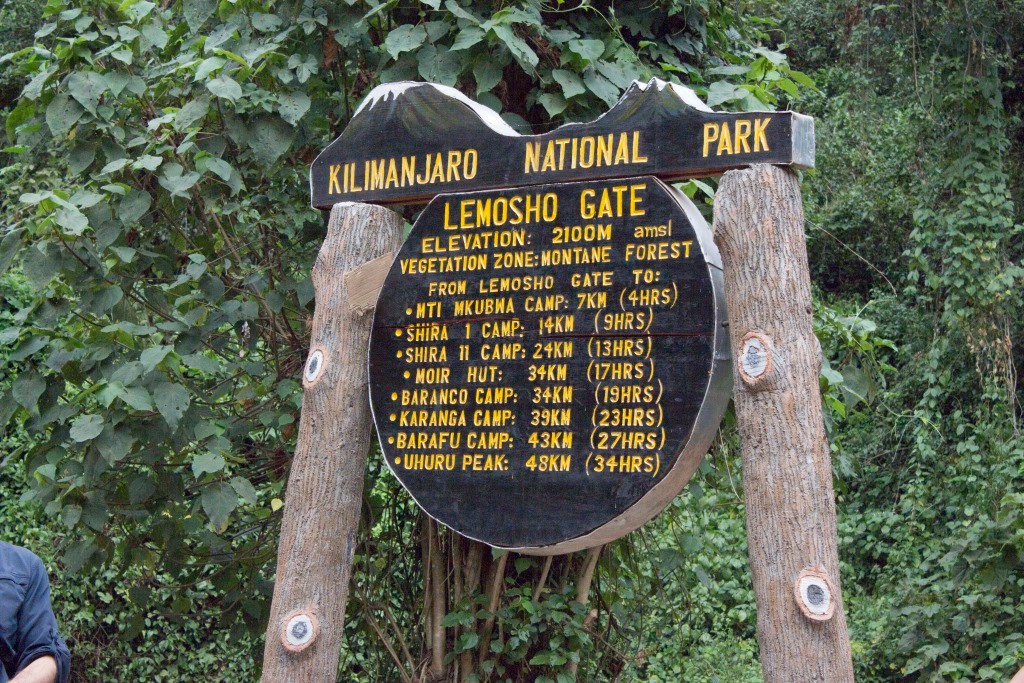
The journey begins far from the busy gates of the mountain's eastern side. Starting at the Londorossi Gate on the western flank, the Lemosho Route offers a sense of solitude that is hard to find elsewhere on Kilimanjaro. The first two days are spent winding through a lush, pristine rainforest where the canopy is so thick that the sun only hits the forest floor in dappled patches. You aren't just walking; you are moving through a living ecosystem.
And because the western side is less frequented, the wildlife is more visible. It is not uncommon to see blue monkeys or even the tracks of eland and buffalo in the lower glades. This initial stage is crucial. It’s not just about the distance; it’s about letting your body adjust to the rhythm of the mountain. Most luxury tours will involve a 4x4 drive to a higher start point to bypass some of the lower, muddier forest tracks, giving you a head start on the scenic highlights. But even with the drive, the first few hours of walking feel like a true wilderness expedition.
But the solitude starts to fade once you reach the Shira Plateau. This is where the Lemosho Route joins the Machame trail, but by the time you merge, you’ve already had three days of quiet, western air. This early isolation is a mental luxury as much as a physical one. It allows you to settle into the mountain's pace without the pressure of hundreds of other trekkers vying for space on the trail.
Lemosho Route Luxury Climbing Tours: The Value of Time
When you look at the different Lemosho route packages available, you will notice they are almost always longer than those for other routes. We generally recommend the eight-day itinerary as the absolute minimum. Kilimanjaro is a massive volcanic massif, and its height is not to be underestimated. The extra time spent on the Lemosho path is what gives it such a high success rate.
Is an 8-day or 9-day trek better?
The difference between an eight-day and a nine-day trek usually comes down to how much you want to push your body in the middle stages. An eight-day trek is perfectly timed for most healthy adults. It provides enough time to sleep at Shira 1 and Shira 2 camps, which sit at a vital altitude for acclimatization. A nine-day trek, however, adds even more breathing room. It might involve an extra night at Moir Hut or a shorter day heading into the high camp.
So, why pay more for a ninth day? It’s simple: comfort and safety. The more time you spend at mid-altitudes, the better your sleep will be when you finally reach the 15,000-foot mark at Barafu Camp. If you have the time and the budget, that ninth day is essentially an insurance policy for your summit attempt. It makes the physical exertion feel less like a grind and more like a steady, manageable walk.
The Shira Plateau and the Southern Circuit
Crossing the Shira Plateau is one of the most remarkable experiences in African trekking. It is one of the highest plateaus on earth, a vast, flat expanse of moorland that used to be a volcanic crater before it collapsed. Walking across this level ground provides a much-needed break for your legs before the climbing starts again.
The views from the plateau are vast. To the west, you can sometimes see all the way to Mount Meru, Kilimanjaro’s "little brother." To the east, the snow-capped Kibo peak dominates the horizon. This is also where you will see the famous Shira Cathedral, a massive rock buttress that looks like a ruined Gothic building.
After crossing the plateau, the Lemosho Route follows the southern circuit. This takes you under the massive southern icefields. The glaciers here, like the Kersten and Decken, are spectacular, hanging off the cliffs like frozen waterfalls. The trail stays at a relatively consistent altitude here, which is perfect for maintaining your red blood cell count without over-exhausting your muscles before the final night.
Premium Camping Standards on the Lemosho Trail
Since the Lemosho Route does not have huts, your camp is your home. In a luxury setting, this is far from "roughing it." The equipment used in these Lemosho route climbing tours is designed to withstand extreme mountain weather while providing a sanctuary.
Sleep systems and tent specifications
The difference starts with the tents. Instead of the small, cramped mountain tents used by budget operators, luxury packages often use "walk-in" tents. These are tall enough for you to stand up and change clothes comfortably. Inside, you won't find a thin foam mat. You’ll find thick, self-inflating mattresses or even camp cots that keep you several inches off the cold ground.
And then there is the dining tent. This is a large, weather-proof structure with a proper floor, a dining table, and backed chairs. It is heated by solar-powered lights and often features a "charging station" where you can plug in your camera or phone. Having a warm, brightly lit place to sit and eat a three-course meal changes the entire atmosphere of the trek. It turns the evening into a time of recovery rather than just a period of enduring the cold.
Specialized Support for High Altitude Success
The quality of your mountain crew is the most important factor in any climb. These Lemosho route trekking tours utilize the most experienced guides in the industry. These are individuals who have summited the mountain hundreds of times but still treat every trek with the seriousness it deserves.
The guide-to-client ratio is high. On a luxury trek, you might have one lead guide and two assistant guides for a group of four people. This ensures that if one person needs to go slower or feels unwell, the entire group doesn't have to stop. There is always a qualified professional with you.
But the support extends to the porters as well. Luxury operators are almost always members of the Kilimanjaro Porters Assistance Project (KPAP). This means the porters who carry your gear are paid fair wages, provided with three meals a day, and given proper clothing for the high-altitude conditions. A happy, well-fed crew creates a positive energy in the camp that is infectious. You’ll find them singing, joking, and genuinely rooting for your success. It is a level of human connection that many travelers find to be the most memorable part of the trip.
Choosing Between These Lemosho Route Packages
As you browse the options, you'll see a range of price points. These are not arbitrary. A more expensive package usually indicates a higher level of "behind-the-scenes" logistics. For instance, some packages include a private portable toilet for your group. While the national park provides public toilets at each camp, they are often shared by hundreds of people and can be quite basic. Having a private, clean, chemical toilet set up by your crew is a massive upgrade in terms of hygiene and convenience.
Private vs. Group Expeditions
Another factor is whether you want a private trek or a scheduled group departure. A private Lemosho route luxury climbing tour offers total control. If you feel strong and want to reach camp early, you can. If you want to spend two hours at the Barranco Wall taking photos, you can do that too.
Group departures, on the other hand, are more social. You’ll meet like-minded travelers from all over the world. These groups are kept small, usually under 10 people, to ensure that the service remains personal. For solo travelers, a group trek is often the best way to get a luxury experience at a slightly lower price point while having a built-in support system of fellow climbers.
The Final Ascent: From Barafu to Uhuru
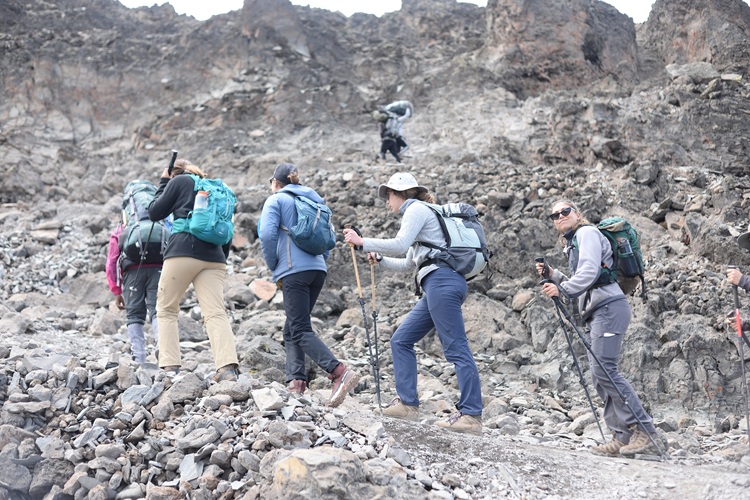
Regardless of the luxury level, the summit night is a challenge. You will leave Barafu Camp (the "Ice" camp) in the middle of the night. It is cold, the air is thin, and the scree is slippery. This is where your luxury preparation really counts. Your guides will be carrying hot tea and oxygen. They will be checking your pulse and your spirits every step of the way.
But the reward is standing on the highest point in Africa as the sun rises over the horizon. The view from Uhuru Peak is something that cannot be described accurately with words. You are standing above the clouds, surrounded by massive walls of ancient ice. On a luxury tour, you’ll have plenty of time to take it all in, knowing that a hot meal and a warm tent are waiting for you further down the mountain.
The descent is long, but it is much faster. You’ll drop thousands of feet in a single afternoon, and with every foot you descend, the air gets thicker and your energy levels start to return. By the time you reach the Mweka Gate on the final day, you will be exhausted, but you will also have achieved something that very few people ever do. And having a private vehicle waiting to take you back to a luxury lodge for a hot shower and a cold beer is the perfect end to the journey.