The 360-Degree Experience: Kilimanjaro’s Newest Path
If you want to see every facet of the mountain, the Northern Circuit is your only real choice. It is the newest route on Kilimanjaro and, quite frankly, the most intelligent one. It starts in the west, following the same path as the Lemosho Route for the first few days, but then it breaks away. Instead of joining the crowded Southern Circuit with everyone else, it heads north, circling the quiet, windswept back of the mountain.
This means you spend days walking through terrain that very few people ever see. The views looking north toward the Kenyan plains are vast and uninterrupted. You get to see the Shira Plateau, the northern slopes, and eventually the eastern approach before you make your final turn toward the summit. Because this route is so long, the transition between the climate zones feels more natural. You aren't rushing from the rainforest to the arctic desert in forty-eight hours. You have the time to notice the subtle changes in the flora and the way the light hits the volcanic rock at different times of the day. For the traveler who values the journey as much as the destination, this route is the gold standard.
Strategic Acclimatization in Northern Circuit route packages
The primary reason people fail to reach Uhuru Peak is not a lack of fitness; it is the altitude. The Northern Circuit solves this problem by design. By spending nine or ten days on the mountain, you are giving your body the maximum amount of time to produce the red blood cells necessary to carry oxygen in the thin air. This is the physiological equivalent of a slow-motion ascent.
Is the 9-Day or 10-Day Option Right for You?
When you are looking at Northern Circuit route packages, you will generally see two durations. The nine-day trek is the standard. It provides a perfect balance of movement and rest. You have enough time to sleep at various altitudes, following the "climb high, sleep low" rule every single day. The ten-day version is for those who want to take things even slower. It might include an extra night at Shira or a shorter day during the northern traverse.
The difference in success rates between a six-day trek on a southern route and a nine-day trek on the Northern Circuit is staggering. On the Northern Circuit, success rates often hover between 95% and 98%. If you have invested the time and money to fly to Tanzania, spending a few extra days on the mountain to ensure you actually reach the top is the smartest investment you can make. It turns a grueling physical test into a manageable, albeit long, walk.
The Solitude of the Northern Slopes
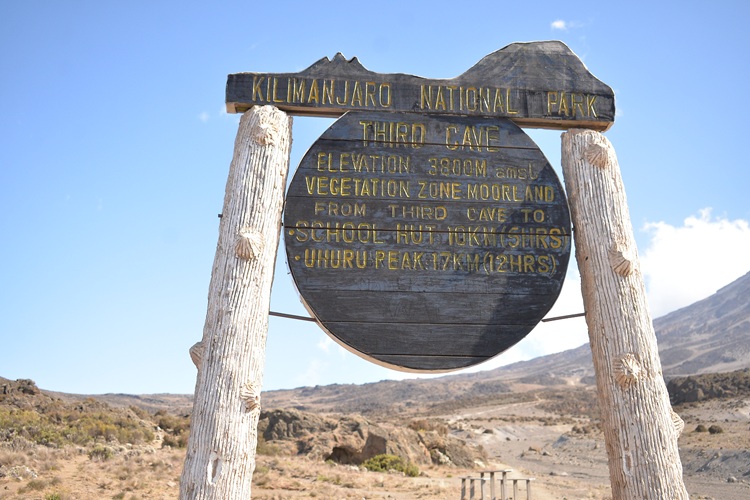
The southern side of Kilimanjaro can feel busy, especially during the peak months of July and August. You often see lines of hikers and large campsites overflowing with gear. The Northern Circuit offers an escape from this. Once you turn north after the Shira Plateau, the crowds vanish. You will find yourself at camps like Buffalo Camp and Third Cave, which are far quieter and more peaceful.
This solitude changes the energy of the trek. You can hear the wind, the occasional call of a bird, and the sound of your own footsteps. It feels like a true expedition rather than a tourist trail. In a luxury context, this privacy is essential. It allows the support crew to set up a camp that feels like a private sanctuary. You can enjoy your morning coffee while looking out over an empty landscape, feeling like the mountain belongs only to you for a moment. This is the "hidden" luxury of the Northern Circuit, the luxury of space and silence.
Safety and Success in Northern Circuit route climbing tours
Safety is not something that should be left to chance, and on Northern Circuit route climbing tours, the safety net is extensive. Because you are on the mountain for longer and in more remote areas, the quality of the guiding team is paramount. The guides leading these premium tours are not just mountain walkers; they are highly trained professionals who understand the nuances of high-altitude physiology.
Advanced Medical Monitoring and Emergency Protocols
On a luxury Northern Circuit trek, medical checks are a daily ritual. Your guides will use pulse oximeters to monitor your oxygen saturation and heart rate every morning and evening. They are looking for trends, how well is your body recovering from the day’s hike? This data-driven approach allows them to spot potential issues long before they become dangerous.
Beyond monitoring, the equipment carried is top-tier. This includes emergency oxygen cylinders, comprehensive medical kits, and satellite communication devices. If a climber needs to descend quickly, the crew has established protocols for emergency evacuations, including coordination with helicopter rescue services if the weather and altitude allow. Knowing that this level of expertise is behind you allows you to push through the difficult moments with confidence.
Elevated Living: The Premium Camping Infrastructure
Since the Northern Circuit is a camping-only route, the quality of the mobile camp is what makes it a luxury experience. You aren't "roughing it" in the traditional sense. You are living in a high-end mobile village that moves with you every day.
The tents are a major part of this. Luxury packages often utilize walk-in tents that are tall enough for you to stand up in. No more crawling into your sleeping bag on your hands and knees. You’ll have a proper camp bed or a high-density, insulated mattress that keeps you far from the cold ground. And then there are the private toilet tents. Having a clean, chemical toilet reserved specifically for your group is a game-changer for many travelers, providing a level of hygiene and comfort that public facilities simply cannot match.
The mess tent is your dining room and your social club. It’s a large, sturdy structure with a table, comfortable chairs, and lighting. It’s where you’ll spend your evenings, protected from the wind and the cold, sharing stories with your fellow climbers and your guides. This infrastructure is what keeps your morale high and your body rested, both of which are critical for a successful summit.
Nutritional Excellence at High Altitude
Food is fuel, but at 14,000 feet, your body doesn't always want to eat. This is where the skill of a luxury mountain chef becomes evident. They don't just provide calories; they provide meals that are appetizing enough to overcome altitude-induced nausea.
Expect a variety of fresh, high-quality ingredients. Breakfast might be eggs to order, sausages, fresh fruit, and porridge. Lunch is often a hot, multi-course meal served at camp or a scenic point on the trail. Dinner is the centerpiece, starting with a warm soup, essential for hydration, followed by a main course of pasta, rice, vegetables, and meat, and a light dessert. The focus is on complex carbohydrates and plenty of fluids. And the coffee? You can expect high-quality Tanzanian coffee, often prepared with a French press, rather than the instant variety found on budget treks. These small culinary touches do more for your spirit than you might imagine.
The Final Push: Summiting from School Hut
Most routes summit from Barafu Camp, but the Northern Circuit often uses School Hut as its final staging ground. This is a slightly higher starting point, which can actually make the summit night feel a bit more manageable. You’ll wake up around midnight, have a light snack and some hot tea, and begin the slow, rhythmic climb toward the crater rim.
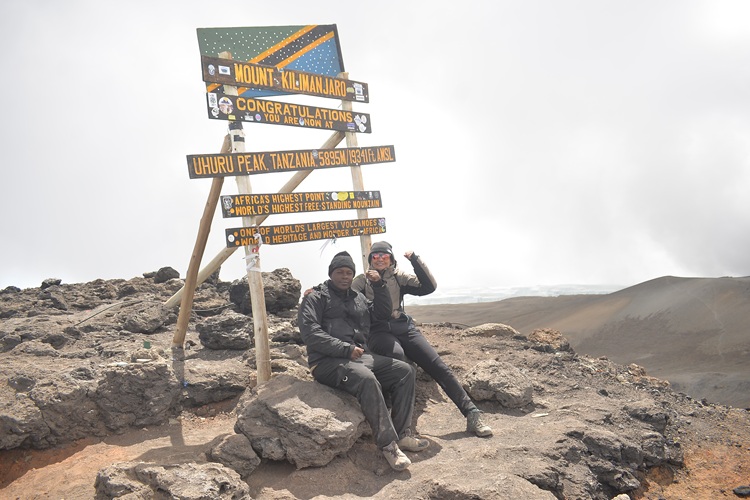
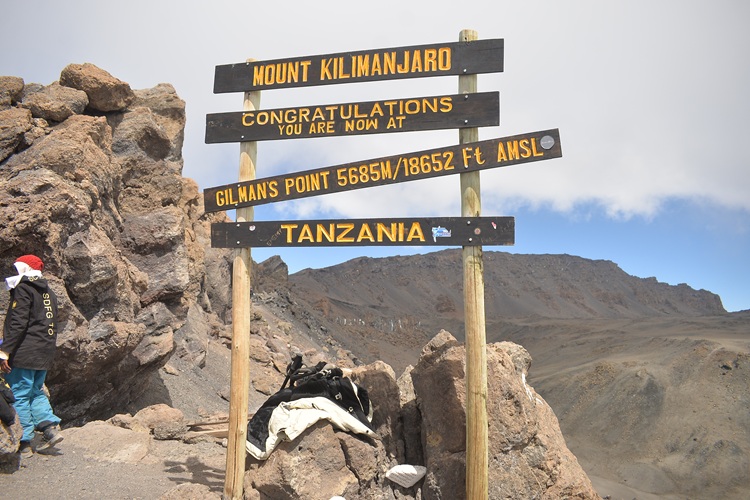
The summit push is a mental game. It is dark, cold, and the air is at its thinnest. But because you’ve had eight or nine days of perfect acclimatization, you are in the best possible position to succeed. You’ll reach the crater rim at Gilman’s Point and then continue around to Uhuru Peak. Seeing the sunrise over the glaciers from the highest point in Africa is a life-altering experience. The sense of achievement is magnified by the knowledge that you have traversed the entire mountain to get here.
When to Book Your Northern Circuit Expedition
Because the Northern Circuit is the longest route, it requires a bit more planning. The best times to go are during the dry seasons: January to March and June to October. Because it spends so much time on the northern side, it is actually a very good choice for the shoulder seasons, as the north stays drier than the south.
However, because the logistics for a nine-day luxury trek are so complex, these tours tend to fill up fast. You are booking not just a guide, but a massive support team of twenty or thirty people. We recommend starting your planning six to twelve months in advance. This ensures you can secure the best lead guides and the specific dates that work for you. The Northern Circuit is the ultimate way to climb Kilimanjaro, and taking the time to do it right is a decision you will never regret when you are standing on that summit.