The Hut Advantage: Why Marangu is Different
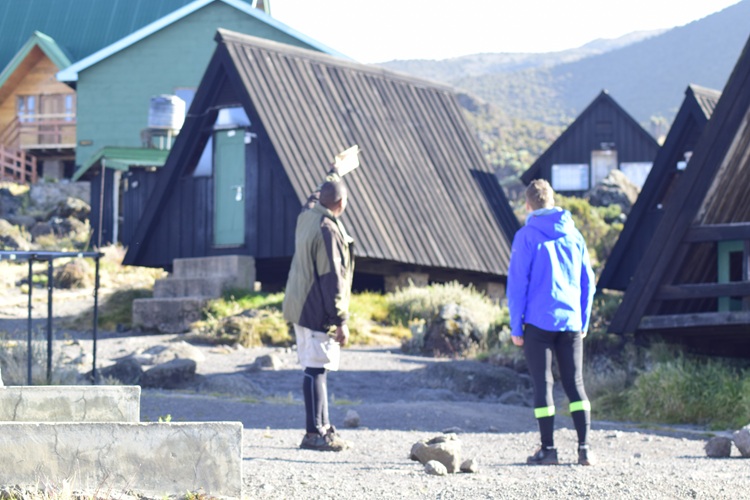
Most routes on Kilimanjaro require you to sleep in mountain tents, often pitched on uneven or rocky ground. The Marangu Route flips this script entirely. It is the oldest and most established path on the mountain, and its defining feature is the network of A-frame timber huts. For many travelers, the psychological benefit of knowing there is a wooden structure waiting at the end of a long day of trekking cannot be overstated.
Mandara, Horombo, and Kibo Huts provide a communal but sheltered environment. In a luxury context, this means you aren't just getting a mattress; you are getting a curated experience where your support team manages the logistics of the hut environment to ensure you have the best possible rest. You’ll find that the huts offer solar-powered lighting and bunk beds with thick foam mattresses. While you still need a high-quality sleeping bag, the isolation from the frozen ground makes a massive difference in how well you recover overnight.
But don't mistake the huts for luxury hotels. They are functional, rustic, and shared. A luxury tour distinguishes itself here by providing better proximity to facilities, private dining setups within the communal areas where permitted, and a higher staff-to-climber ratio to handle your gear and needs. This route is often called the "Coca-Cola" route, a nickname from years ago when bottled soda was sold at every hut. Today, that name persists as a nod to the route’s perceived ease and accessibility, though the physical challenge remains very real.
Understanding the 5-Day vs. 6-Day Dilemma
One of the most critical choices you will make when browsing Marangu route trekking tours is the duration of the trip. Many budget operators push the five-day itinerary because it is cheaper to run. We generally advise caution with that approach. The five-day trek is a relentless upward slog with very little time for your blood chemistry to adapt to the thinning air.
A luxury-focused package almost always defaults to, or strongly recommends, the six-day option. Why? Because that extra day spent at Horombo Hut is the single best investment you can make in your summit success. On a six-day trek, you stay two nights at Horombo, using the middle day to hike toward the Zebra Rocks or the base of Mawenzi. You climb high and sleep low. This physiological trick is what allows your body to produce the red blood cells necessary to breathe at 19,341 feet.
So, when you see price differences between the packages listed here, look closely at the day count. A cheaper five-day tour might look attractive on paper, but the "cost" of a failed summit attempt due to altitude sickness is much higher. The luxury itineraries we feature prioritize your health and the likelihood of you actually standing on the roof of Africa.
The Luxury of Gourmet Mountain Dining
On a standard trek, food is often about basic calories. On our Marangu route luxury climbing tours, food is treated as a vital component of your success and morale. High-altitude trekking suppresses appetite, yet your body needs more fuel than ever. This is a difficult paradox to manage.
Luxury packages employ chefs who specialize in "summit-friendly" nutrition. This means meals that are rich in complex carbohydrates but also appetizing enough to tempt you when you feel slightly nauseous at 12,000 feet. Expect fresh fruits, vegetables, and meats carried up the mountain daily or kept in high-quality coolers. Breakfasts might include eggs, sausages, porridge, and fresh fruit. Dinners often start with a hot soup, leek and potato or cucumber are local favorites, followed by pasta, rice, or traditional Tanzanian dishes like pilau.
And let's talk about the "luxury" of hydration. Your crew will provide purified, boiled water every morning and evening. In premium packages, you might also find a wider selection of herbal teas, hot chocolate, and French press coffee. It sounds small, but a hot cup of quality coffee at 4:00 AM before the summit push is a genuine game-changer for your mental state.
Safety Protocols and Expert Guiding
Expertise and trust are the cornerstones of a successful Kilimanjaro climb. The guides leading these Marangu route packages are not just mountain walkers; they are certified Wilderness First Responders. They understand the nuances of high-altitude medicine and can spot the subtle signs of Acute Mountain Sickness (AMS) before they become dangerous.
Luxury tours provide higher levels of safety equipment as standard. This includes:
- Pulse Oximeters: Used twice daily to monitor your oxygen saturation and heart rate.
- Emergency Oxygen: Carried on every summit push to assist climbers struggling with the altitude.
- Comprehensive Medical Kits: Equipped with everything from blister care to high-altitude medications.
- Satellite Communication: Ensuring that even in the "shadow" of the mountain, contact with the base and evacuation services is possible.
The guides also manage the pace. You will hear the phrase "Pole, Pole" (slowly, slowly) constantly. A luxury guide has the confidence to slow you down even if you feel energetic. They know that the energy you save on day two is what you will use to get past Gilman’s Point on day five.
The Terrain: From Rainforest to Arctic Desert
The Marangu Route is often criticized for being "the same way up and down," but this overlooks the incredible biodiversity you experience. Because you stay in the same huts on the descent, you get a second chance to photograph the things you might have missed while gasping for air on the way up.
The journey begins in the lush montane rainforest. It is humid, loud with the sounds of colobus monkeys, and incredibly green. As you move toward Mandara Hut, the canopy thins. By the time you reach Horombo, you have entered the moorland zone. Here, the "alien" flora of Kilimanjaro takes center stage, specifically the Giant Lobelias and Groundsel trees. These prehistoric-looking plants only grow in this specific alpine environment.
Above Horombo, the world turns to stone. The "Saddle" between Mawenzi and Kibo is a high-altitude desert. It is vast, windswept, and hauntingly beautiful. There is no water and very little life here. Your luxury support team ensures that despite the harshness of this environment, your arrival at Kibo Hut is met with hot tea and a prepared bunk, allowing you to focus entirely on the final push to the summit.
Physical Preparation: What You Actually Need
There is a common misconception that because the Marangu Route has huts, it is "easy." This is a dangerous myth. You are still hiking roughly 45 miles and gaining thousands of vertical feet. The final night, the summit push, is an arduous 1,000-meter climb over loose volcanic scree in sub-zero temperatures.
Luxury packages help mitigate the physical toll by providing high-quality gear and a higher porter-to-climber ratio, but you still have to walk. We recommend at least three months of aerobic conditioning. Focus on hiking with a weighted pack and strengthening your legs with lunges and squats.
But the most important preparation is mental. Even on a luxury tour, the summit night is hard. It is dark, it is cold, and the air is thin. The difference with a premium tour is the quality of the encouragement from your guides and the knowledge that your gear won't fail you when the wind picks up at 18,000 feet.
When to Book Your Marangu Trek
Timing is everything. Kilimanjaro sits near the equator, so it doesn't have traditional "seasons" like Europe or North America. Instead, we talk about wet and dry seasons.
The best times for Marangu route climbing tours are January through March and late June through October. During these windows, the skies are generally clearer and the trails are drier. The Marangu Route is actually a popular choice during the "shoulder" seasons because if it does rain, you are sleeping in a dry hut rather than a damp tent.
However, the huts have a fixed capacity. Unlike other routes where you can just pitch another tent, Marangu is limited by the number of beds available. This means that for luxury tours during peak months, booking six to nine months in advance is highly recommended. It ensures we can secure your bed permits and the best lead guides before they are snapped up by others.
What’s Included in a Luxury Package?
When comparing the Marangu route packages on this page, look for the inclusions that define a premium experience. It starts before you even set foot on the mountain. Luxury tours typically include private airport transfers from Kilimanjaro International Airport (JRO) and stays at high-end lodges in Moshi or Arusha. These lodges offer quiet gardens, swimming pools, and excellent food, perfect for resting before the climb and celebrating afterward.
On the mountain, the "luxury" is found in the details. It's the private toilet tent set up near the huts so you don't have to use the communal long-drops. It's the warm water provided in a basin for washing your face and hands every morning. It's the high-quality, branded mountain hardware like heavy-duty down jackets and four-season sleeping bags that are included in the price rather than rented as extras.
Most importantly, these tours focus on the ethical treatment of porters. A luxury tour should always be a fair tour. This means your porters are paid well, have proper clothing, and are not overloaded. Knowing that your support crew is being treated with respect is perhaps the greatest luxury of all.
The Final Push: Summiting from Kibo Hut
The ascent from Kibo Hut to the summit usually begins around midnight. This is the moment where the "luxury" of your preparation pays off. While other climbers might be shivering in inadequate gear, you'll be wrapped in premium layers, fueled by a midnight snack prepared by your chef.
The trail to Gilman’s Point is a series of switchbacks on scree. It is slow going. But as the sun begins to rise over the Indian Ocean in the distance, the sky turns shades of purple and gold that you will never forget. From Gilman’s, it’s another hour or so around the crater rim to Uhuru Peak.
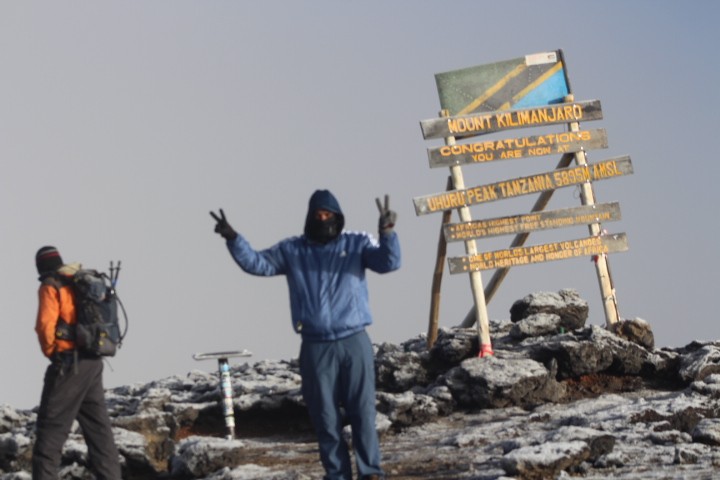
Standing at the summit is an emotional experience. The glaciers of Kilimanjaro, though receding, are still massive, shimmering walls of blue ice. On a luxury tour, your guide will be there to capture the moment on camera, check your oxygen levels, and ensure you begin the descent safely. You don't stay at the top for long, the altitude is too high, but the memories of that view will stay with you forever.