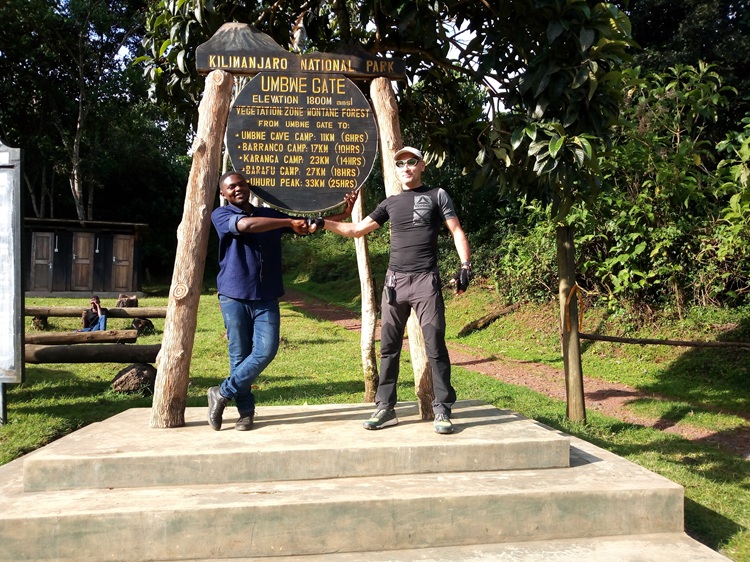
Tour Overview
The 6-day Marangu Route luxury Kilimanjaro climbing tour offers the most balanced approach for trekkers seeking the comfort of hut accommodation alongside a responsible acclimatization schedule. While the shorter five-day version of this route is often criticized for its rapid ascent, the six-day itinerary adds a critical extra day at Horombo Hut. This additional time allows the body to physiologically adapt to the reduced oxygen levels at 3,720 meters before attempting the push into the high-altitude desert. The Marangu Route, historically referred to as the "Coca-Cola" route, is unique as the only path on Mount Kilimanjaro that provides permanent wooden A-frame huts for sleeping, which offers a higher level of protection from the elements compared to the tented camps found on the Machame or Lemosho routes.
This 6-day Marangu Route luxury trek begins at the Marangu Gate (1,860 meters) and travels through a series of distinct ecological zones. You start in the humid montane rainforest, transition through the heather and moorland, cross the expansive alpine desert of the Saddle, and finally enter the arctic summit zone. The route is characterized by a steady, gradual incline, making it accessible to hikers who prefer well-defined trails over steep, technical scrambles. Because the ascent and descent follow the same path, you have the opportunity to revisit the scenery of the lower slopes on your way down, often seeing things you missed during the strenuous upward climb.
The extra day in this itinerary is typically spent at Horombo Hut, where climbers undertake an acclimatization hike to Mawenzi Peak or the Zebra Rocks. This "climb high, sleep low" strategy is a fundamental principle of high-altitude mountaineering and significantly improves the chances of reaching Uhuru Peak at 5,895 meters. This route is suitable for first-time trekkers and experienced hikers alike, provided they respect the mountain's pace. While the Marangu Route is often perceived as the "easiest" path, the summit night remains a grueling physical and mental challenge. Practical expectations for this luxury tour include sleeping in dormitory-style huts with foam mattresses, eating in communal dining halls, and benefiting from a higher success rate due to the improved acclimatization window.
Tour Snapshot
- Route Name: Marangu Route
- Duration: 6 days / 5 nights
- Starting Altitude: 1,860 meters (6,046 feet)
- Summit Altitude: 5,895 meters (19,341 feet)
- Total Trekking Distance: Approximately 72 kilometers (45 miles)
- Highest Point Reached: Uhuru Peak (5,895 meters)
- Difficulty Level: Moderate to High (Improved by the extra day)
- Accommodation Type: Permanent Mountain Huts (Mandara, Horombo, and Kibo)
- Success Factors: Dedicated acclimatization day, "pole pole" pace, and hydration
- Best Seasons: December to March and June to October
- Typical Daily Trekking Hours: 5 to 7 hours (Summit day is 12 to 15 hours)
The Value of the Extra Acclimatization Day
The primary difference between a successful summit and a premature descent is often just 24 hours. On a 5-day trek, the body is forced to climb from 3,720m to 4,703m and then to 5,895m in less than 48 hours. This rapid change frequently leads to altitude-related complications. By adding the sixth day, you provide your cardiovascular system with the necessary time to adjust. Studies of Kilimanjaro climbers show that an extra day at mid-altitude can increase summit success rates by as much as 20% to 30%.
During the 6-day Marangu Route luxury climbing tour, the day at Horombo is not a "rest day" in the sedentary sense. The short hike to the Zebra Rocks or Mawenzi Hut serves to stress the body slightly at a higher altitude before returning to a lower point to sleep. This cycle is what triggers the physiological adaptations necessary for survival at nearly 6,000 meters. For most trekkers, this extra day is the difference between struggling through summit night and actually being able to enjoy the experience of standing on the roof of Africa.
6-Day Marangu Route Luxury Kilimanjaro Climbing Tour: Day-by-Day Itinerary
Day 1: Marangu Gate to Mandara Hut
- Starting Point: Marangu Gate (1,860 meters)
- Ending Point: Mandara Hut (2,700 meters)
- Elevation Gain: 840 meters
- Approximate Distance: 8 kilometers
- Estimated Hiking Time: 4–5 hours
The journey begins with a scenic drive through local villages to reach the Marangu Gate, the headquarters of Kilimanjaro National Park. After the porters have organized the gear and the guides have completed the registration process, you step onto a wide, well-maintained trail that leads directly into the montane forest. This zone is a lush, emerald world where the canopy is so thick that sunlight only filters through in patches. The air is rich with the scent of damp earth and tropical vegetation. You will likely hear the rustle of Blue monkeys in the trees or the sharp cry of a Silvery-cheeked hornbill. The gradient is gentle, allowing your body to start the acclimatization process without overexertion.
As you wind through the forest, you cross several small streams and pass by ancient trees draped in "Old Man’s Beard" lichen. This part of the mountain receives the most rainfall, so the trail can be muddy and slick. Your guides will emphasize the "pole pole" (slowly, slowly) pace from the very first kilometer. Mandara Hut consists of several wooden A-frame buildings situated in a clearing. After arriving and settling into your hut, you may take a short walk to the Maundi Crater. This side trip offers the first expansive views of the Kenyan border and the surrounding plains. The evening at Mandara is spent enjoying a warm meal in the dining hall, surrounded by the sounds of the forest at night.
Day 2: Mandara Hut to Horombo Hut
- Starting Point: Mandara Hut (2,700 meters)
- Ending Point: Horombo Hut (3,720 meters)
- Elevation Gain: 1,020 meters
- Approximate Distance: 12 kilometers
- Estimated Hiking Time: 6–8 hours
Leaving Mandara Hut, the forest quickly thins out as you enter the heath and moorland zone. This transition is marked by the appearance of giant heathers and the iconic lobelias. The landscape opens up, providing vast views of the horizon. On clear days, the jagged peaks of Mawenzi and the gleaming glaciers of Kibo dominate the skyline. The trail is more exposed here, and the sun can be quite strong, making high-factor sunscreen and a wide-brimmed hat essential. The incline remains steady, but the thinning air begins to make its presence felt. You will notice your breathing becoming deeper as your body works to capture more oxygen.
The trek to Horombo Hut is a significant distance, and you will notice a change in the vegetation as you climb higher. The shrubs become shorter, and the unique Giant Groundsels start to appear in the sheltered valleys. Horombo Hut is located on a high plateau and serves as a major hub for the Marangu Route. The huts here are similar to Mandara but the camp is much larger. Because you are staying here for two nights, you have the luxury of not having to pack your bags the next morning. This camp is often where trekkers first feel the effects of altitude, such as a mild headache or slight fatigue. A hot dinner and plenty of fluids are the priority as you prepare for your acclimatization day.
Day 3: Acclimatization Day at Horombo Hut
- Starting Point: Horombo Hut (3,720 meters)
- Ending Point: Zebra Rocks / Mawenzi Base (approx. 4,000 meters) and return
- Elevation Gain/Loss: Approximately 300 meters
- Approximate Distance: 5 kilometers
- Estimated Hiking Time: 3–4 hours
This is the most important day of the 6-day Marangu Route luxury Kilimanjaro climb. Instead of pushing higher toward Kibo, you spend the day allowing your blood chemistry to adjust to the altitude. After a late breakfast, you will go on an acclimatization hike toward the Zebra Rocks or the base of Mawenzi Peak. The Zebra Rocks are a distinctive geological formation where mineral-rich water has created black and white vertical stripes on the rock face. This hike takes you to an altitude of roughly 4,000 meters before returning to Horombo for lunch. This "climb high, sleep low" technique stimulates the production of more red blood cells, which are responsible for carrying oxygen throughout your body.
The afternoon is reserved for rest and hydration. Many trekkers use this time to read, organize their gear, or simply watch the clouds drift across the plains below. Staying active but not exhausted is the goal. You will notice that by the second evening at Horombo, your body feels more settled and your appetite usually improves. This day significantly reduces the risk of developing severe altitude sickness at the next camp. The psychological benefit of a rest day is also substantial, as it gives you time to mentally prepare for the high-altitude desert crossing and the summit attempt that follows. The sunset at Horombo is often spectacular, with the light reflecting off the snow of Kibo in the distance.
Day 4: Horombo Hut to Kibo Hut
- Starting Point: Horombo Hut (3,720 meters)
- Ending Point: Kibo Hut (4,703 meters)
- Elevation Gain: 983 meters
- Approximate Distance: 9 kilometers
- Estimated Hiking Time: 6–8 hours
The trek to Kibo Hut takes you through the stark and desolate alpine desert. You pass the "Last Water" point, after which no natural water sources are found on the mountain. The trail crosses the "Saddle," a broad, flat plateau between the peaks of Mawenzi and Kibo. This area is a lunar-like landscape where only the hardiest grasses and lichens survive. The wind can be powerful and cold, sweeping across the open plains with nothing to break its force. Walking across the Saddle is a surreal experience, as the scale of the mountain becomes truly apparent. Kibo Peak looms ahead, a massive wall of volcanic rock and ice that you will be climbing in the dark.
Arriving at Kibo Hut, you are now at an altitude where oxygen is roughly half of what it is at sea level. The hut is a functional stone building designed to protect you from the freezing temperatures. Sleep is often elusive at this height, but resting is mandatory. You will have an early dinner around 5:00 PM or 6:00 PM and then try to get a few hours of shut-eye before the midnight wake-up call. Your guides will brief you on the summit night procedures, emphasizing the importance of keeping your water bottles insulated and your headlamp batteries warm. The atmosphere is one of quiet anticipation as everyone prepares for the final 1,200-meter climb to the roof of Africa.
Day 5: Kibo Hut to Uhuru Peak to Horombo Hut
- Starting Point: Kibo Hut (4,703 meters)
- Ending Point: Uhuru Peak (5,895 meters) then back to Horombo Hut (3,720 meters)
- Elevation Gain: 1,192 meters
- Elevation Loss: 2,175 meters
- Approximate Distance: 21 kilometers
- Estimated Hiking Time: 12–15 hours
The summit attempt begins around midnight. This is the ultimate test of your physical and mental endurance. In the freezing darkness, you begin the steep ascent up the volcanic scree. The trail zig-zags up the mountain, and every step requires a conscious effort. The cold is intense, and the air is incredibly thin. Most climbers reach Gilman’s Point (5,685 meters) on the crater rim just as the first light of dawn begins to appear. This is often the hardest part of the climb, as the loose gravel makes the footing difficult. From Gilman’s, you continue along the snow-covered crater rim, passing Stella Point and finally reaching Uhuru Peak. The sight of the sunrise over the glaciers and the African continent below is an experience that defies description.
After celebrating your achievement at the summit, the descent begins. Going down the scree is much faster than going up, but it is taxing on the knees. You will return to Kibo Hut for a short rest and a warm drink before continuing the descent across the Saddle to Horombo Hut. By the time you reach Horombo, you will have descended over 2,000 meters. The return to the richer air of the moorland feels like a physical weight being lifted from your chest. You will spend your final night on the mountain at Horombo, enjoying a deep and well-earned sleep, knowing that the hardest part of the journey is behind you.
Day 6: Horombo Hut to Marangu Gate
- Starting Point: Horombo Hut (3,720 meters)
- Ending Point: Marangu Gate (1,860 meters)
- Elevation Loss: 1,860 meters
- Approximate Distance: 20 kilometers
- Estimated Hiking Time: 5–7 hours
The final day of your 6-day Marangu Route luxury Kilimanjaro climbing tour is a long descent through the moorland and back into the rainforest. Your legs may be tired, but the increasing oxygen levels provide a natural boost to your energy. You retrace your steps through the Mandara Hut area, where you might stop for lunch. The path is often lively with other climbers beginning their ascent, and there is a shared sense of camaraderie among those going down. As you re-enter the forest, you are greeted again by the humidity and the vibrant birdlife. The descent is a time for reflection on the immense challenge you have just completed.
At the Marangu Gate, you will complete the official sign-out process. This is the moment when your achievement is formalized with the presentation of your summit certificate. The green certificate is awarded to those who reached Gilman’s Point, while the gold certificate is for those who reached Uhuru Peak. After saying goodbye to your mountain crew and participating in the traditional "Kilimanjaro Song" celebration, a vehicle will transport you back to your hotel. The transition from the arctic conditions of the summit back to the tropical warmth of the gate marks the end of an extraordinary expedition that few people in the world ever undertake.
What's Included
Inclusions
- Professional Crew: A lead guide, assistant guides, specialized mountain cook, and a team of porters to carry all equipment and supplies.
- Hut Accommodation: All nights on the mountain spent in the Mandara, Horombo, and Kibo mountain huts.
- National Park Fees: All park entrance fees, hut fees, and environmental fees as mandated by the Kilimanjaro National Park Authority (KINAPA).
- Catering: Three freshly prepared hot meals per day, including high-energy snacks and purified drinking water.
- Safety Equipment: Emergency medical oxygen, pulse oximeters, and a comprehensive wilderness first aid kit.
- Transportation: Round-trip transfers between your hotel and the Marangu Gate.
- Rescue Support: Coordination with National Park rescue services if medical evacuation is required.
Exclusions
- Travel Insurance: Mandatory insurance covering high-altitude trekking up to 6,000 meters and emergency medical evacuation.
- Tanzanian Visa: Entry visa for international visitors, obtainable online or at the airport.
- Crew Tipping: Gratuities for guides, porters, and cooks, which are an integral part of the local mountain economy.
- Personal Equipment: Items such as sleeping bags, trekking poles, and specialized high-altitude clothing.
- Flights: Domestic or international flights to Kilimanjaro International Airport (JRO).
- Personal Medical Supplies: Any specific medications required by the individual trekker.
- Pre/Post Trek Hotel: Accommodation in Arusha or Moshi before and after the climb (can be added as an extra).
You Might Also Like
8-Day Lemosho Route Luxury Kilimanjaro Climbing Tour
6-Day Umbwe Route Luxury Kilimanjaro Climbing Tour