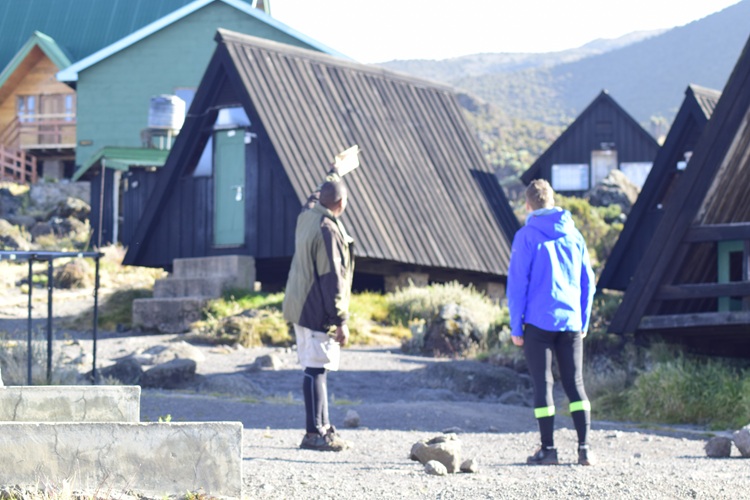
Tour Overview
A 7-day Machame Route luxury Kilimanjaro climbing tour is widely regarded by mountain experts as the "gold standard" for ascending Africa's highest peak. While the shorter six-day version is popular, the seven-day itinerary introduces a vital extra day that splits the trek between the Barranco Wall and the high camp at Barafu. This extra time is spent at Karanga Camp, providing a significant physiological advantage by allowing the body more time to adapt to the lower oxygen levels of the alpine desert. For many climbers, this additional 24-hour window is the deciding factor in their ability to reach Uhuru Peak without suffering from severe altitude-related symptoms.
The Machame Route, frequently called the "Whiskey Route," is celebrated for its spectacular scenic variety and high success rates. Unlike the Marangu Route, Machame is a camping route where trekkers sleep in high-quality mountain tents. The luxury aspect of this tour involves a significantly higher level of support, including spacious walk-in tents, comfortable sleeping systems, and a professional culinary team that prepares fresh, high-energy meals. The route starts in the lush montane rainforest of the south, climbs onto the expansive Shira Plateau, circles the southern icefields of Kibo, and eventually summits via the steep southeastern scree slopes. This topographical journey offers a complete cross-section of the mountain’s five distinct ecological zones, providing a sensory experience that is unmatched by more direct routes.
One of the key features of the 7-day Machame Route luxury trek is its adherence to the "climb high, sleep low" principle. On day three, climbers reach the Lava Tower at 4,630 meters before descending to sleep at Barranco Camp (3,960 meters). This cycle is repeated with the climb up the Barranco Wall and the subsequent stay at Karanga Camp. The physical challenge is moderate to high, involving some non-technical scrambling and long days of trekking. However, the pacing of the seven-day schedule makes the physical demands more manageable for the average hiker. This itinerary is best suited for those who want to maximize their chances of success while enjoying the most diverse landscapes Kilimanjaro has to offer, all while supported by a professional crew dedicated to safety and comfort.
Tour Snapshot
- Route Name: Machame Route (7-Day Pacing)
- Duration: 7 days / 6 nights
- Starting Altitude: 1,800 meters (5,905 feet)
- Summit Altitude: 5,895 meters (19,341 feet)
- Total Trekking Distance: Approximately 62 kilometers (37 miles)
- Highest Point Reached: Uhuru Peak (5,895 meters)
- Difficulty Level: Moderate to High (Best for acclimatization)
- Accommodation Type: Luxury Tented Camping
- Success Factors: Extra night at Karanga Camp and "climb high, sleep low" profile
- Best Seasons: January to March and June to October
- Typical Daily Trekking Hours: 4 to 6 hours (Summit day is 12 to 15 hours)
Physiological Benefits of the 7-Day Schedule
The primary reason for the success of the 7-day Machame Route luxury trek is the extra night at Karanga Camp. In a 6-day itinerary, you must trek from Barranco Camp all the way to Barafu Camp in a single day, covering a significant distance and elevation gain immediately after the Lava Tower day. By splitting this into two days, you reduce the physical strain on your body. This allows your heart and lungs to adapt more gradually to the increasing altitude. Statistics show that the success rate for the 7-day version is significantly higher than the 6-day version across all age groups and fitness levels.
Furthermore, the extra day at Karanga provides a mental break. Summiting Kilimanjaro is as much a psychological challenge as a physical one. Having a "short day" before the summit push allows you to rest, hydrate, and mentally prepare for the midnight start. You arrive at Barafu Camp feeling much more refreshed and energized than if you had rushed the journey. This improved physical and mental state is often the difference between struggling on the final slopes and being able to appreciate the experience of standing on the roof of Africa. The investment in an extra day is the best insurance policy for a successful climb.
Ecosystems and Wildlife of the Machame Route
One of the most remarkable aspects of the Machame Route is the transition through five distinct ecological zones. You begin in the Cultivation Zone, where the local Chagga people grow coffee and bananas. This is followed by the Rainforest Zone, a world of ancient trees and high biodiversity. Here, you might see the endemic Kilimanjaro impatiens, a small red flower found nowhere else on earth. The Moorland Zone follows, characterized by the strange-looking Giant Groundsels and Lobelias, which have evolved unique ways to survive the extreme temperature fluctuations of the high altitude.
Above 4,000 meters, you enter the Alpine Desert, a harsh environment with very little water and intense solar radiation. Finally, the Summit Zone is an arctic wasteland of ice and volcanic rock. Wildlife becomes increasingly rare as you ascend. While monkeys and birds are common in the forest, you might only see small rodents or the occasional high-altitude bird like the White-necked Raven in the moorland. The absence of life at the summit only adds to the sense of achievement and the raw, prehistoric feeling of the crater rim. The 7-day Machame Route luxury tour provides ample time to observe and appreciate these transitions.
Luxury Tented Camping Standards
A 7-day Machame Route luxury tour redefines the mountain camping experience. You are not sleeping in small, cramped trekking tents. Instead, you are provided with large, walk-in tents that allow you to stand up and organize your gear comfortably. These tents are designed for the mountain's extreme conditions, with double-layer protection against wind and rain. You are provided with a thick, insulated mattress and a high-quality sleeping bag, ensuring you get the best possible rest even on the uneven ground of the high camps. A dedicated dining tent with a table and chairs serves as a comfortable social space for meals and briefings.
The culinary experience is another hallmark of the luxury tour. A specialized mountain cook and assistants prepare fresh meals daily, using high-quality ingredients carried up by the porters. Breakfast typically includes porridge, eggs, fruit, and toast, while lunches and dinners are multi-course affairs featuring soups, stews, pasta, and fresh vegetables. High-energy snacks and a constant supply of purified drinking water are provided throughout the day. This focus on nutrition and hydration is not just about comfort; it is a critical component of your health and your body’s ability to acclimatize. The luxury service ensures that your only job is to hike and enjoy the scenery.
7-Day Machame Route Luxury Kilimanjaro Climbing Tour: Day-by-Day Itinerary
Day 1: Machame Gate to Machame Camp
- Starting Point: Machame Gate (1,800 meters)
- Ending Point: Machame Camp (2,835 meters)
- Elevation Gain: 1,035 meters
- Approximate Distance: 11 kilometers
- Estimated Hiking Time: 5–7 hours
The expedition starts with a drive through the bustling town of Moshi to the Machame Gate. This lower region of the mountain is characterized by fertile volcanic soil, supporting dense coffee and banana plantations. Once at the gate, you will meet your full mountain crew, a team of guides, porters, and a cook who will be your support system for the next week. After the registration formalities, you step into the montane rainforest. The trail is often damp and shaded by massive trees draped in ferns and vines. The air is heavy with humidity and the scent of wild flowers. This zone is home to various primates, and if you keep a quiet pace, you might see Colobus monkeys watching from the high canopy.
The first-day trek is a steady climb on a well-trodden path. While the incline is manageable, the humidity can be taxing. Your guide will maintain a slow, rhythmic pace to ensure you do not overexert yourself on the first day. As you gain elevation, the giant trees give way to smaller shrubs, and the air becomes noticeably cooler. By the time you reach Machame Camp, located just above the forest line, your porters will have already set up your luxury tent. The evening is spent in the dining tent, where you will receive a thorough health check and enjoy a multi-course dinner. Watching the sunset over the clouds from this first camp is a perfect introduction to the mountain's beauty.
Day 2: Machame Camp to Shira 2 Camp
- Starting Point: Machame Camp (2,835 meters)
- Ending Point: Shira 2 Camp (3,840 meters)
- Elevation Gain: 1,005 meters
- Approximate Distance: 5 kilometers
- Estimated Hiking Time: 4–6 hours
Day two features a shorter distance but a steeper gradient as you ascend into the heath and moorland zone. The trail climbs out of the forest and follows a rocky ridge. You will notice the vegetation changing rapidly; the tall trees disappear, replaced by heather, proteas, and the first of the giant lobelias. The terrain is more exposed to the elements, and on clear days, the views of Kibo Peak are stunning. The climb involves navigating some rocky stairs and uneven ground, which requires careful footwork. The thin air becomes more apparent during this section, making the slow "pole pole" pace even more critical for your long-term success.
After reaching the plateau, the trail levels out as you cross the Shira Cathedral, a massive rock buttress. You will walk across the open moorland toward Shira 2 Camp, located on the western side of the mountain. This area is a vast, ancient caldera that offers some of the most expansive views on Kilimanjaro. From here, you can see the distant Mount Meru rising above the clouds to the west. Shira 2 Camp is higher and more windswept than the previous night, and the temperature will drop significantly once the sun goes down. This is your first night sleeping above 3,800 meters, a milestone that tests your body’s initial ability to adjust to the high-altitude environment.
Day 3: Shira 2 Camp to Barranco Camp via Lava Tower
- Starting Point: Shira 2 Camp (3,840 meters)
- Ending Point: Barranco Camp (3,960 meters)
- Elevation Gain/Loss: Climb to 4,630 meters (Lava Tower), then descend to 3,960 meters
- Approximate Distance: 10 kilometers
- Estimated Hiking Time: 6–8 hours
This day is a classic example of the "climb high, sleep low" strategy and is essential for successful acclimatization. You leave the Shira Plateau and head east, entering the alpine desert. The landscape becomes increasingly lunar, with very little vegetation surviving in the dry, rocky soil. The trail climbs steadily toward the Lava Tower, a 90-meter-high volcanic plug. Reaching the base of the tower at 4,630 meters is a significant physical challenge. Most trekkers will feel the altitude here, perhaps experiencing a light headache or shortness of breath. You will have lunch at this high point, giving your body time to process the low oxygen levels and stimulate the production of more red blood cells.
After lunch, you begin a long descent into the Barranco Valley. This descent is visually spectacular as you pass through forests of giant groundsels (Senecio kilimanjari), which can grow up to five meters tall and live for several centuries. These plants are unique to the high-altitude zones of East African mountains. As you descend, you will see the Great Barranco Wall towering over the valley. Barranco Camp is situated in a sheltered area below the wall, often filled with morning mist. Even though you end the day at nearly the same altitude as you started, the trip to the Lava Tower has provided your body with the physiological training needed for the higher camps to come.
Day 4: Barranco Camp to Karanga Camp
- Starting Point: Barranco Camp (3,960 meters)
- Ending Point: Karanga Camp (3,995 meters)
- Elevation Gain: 35 meters (after significant gain and loss)
- Approximate Distance: 5 kilometers
- Estimated Hiking Time: 4–5 hours
This is the day that distinguishes the 7-day Machame Route luxury trek from the 6-day itinerary. You begin with the scramble up the Great Barranco Wall. While it looks like a vertical cliff from a distance, the path is actually a series of ledges and rocky steps. There is one section known as the "Kissing Rock" where the trail narrows, but your guides will be there to assist you at every step. Climbing the wall is an exhilarating experience and provides a great sense of achievement once you reach the top. From the summit of the wall, you are rewarded with an incredible view of the Heim Glacier and the vast plains below.
The trail then follows a series of ridges and valleys, involving several short but steep descents and ascents as you cross the southern face of the mountain. You eventually descend into the green Karanga Valley before a final short climb to Karanga Camp. Because this is a short day of hiking, you arrive at camp in time for a hot lunch and a full afternoon of rest. This extra night at roughly 4,000 meters is the key to the high success rate of the 7-day route. It allows your body to recover from the previous day's effort at Lava Tower and prepares you for the final push to the high camp and the summit.
Day 5: Karanga Camp to Barafu Camp
- Starting Point: Karanga Camp (3,995 meters)
- Ending Point: Barafu Camp (4,673 meters)
- Elevation Gain: 678 meters
- Approximate Distance: 4 kilometers
- Estimated Hiking Time: 3–4 hours
Leaving Karanga Camp, the trail turns north toward the final high camp. You are now fully in the alpine desert zone. The terrain is composed of scree, boulders, and very little else. The path is a steady uphill climb through a desolate but beautiful landscape. You will cross the Mweka descent trail and continue upward toward the rocky ridge where Barafu Camp is located. The word "Barafu" means "ice" in Swahili, and the camp is indeed cold and exposed. It is perched on a narrow ridge, and your tents will be pitched on a rocky, uneven surface. From this camp, you can see the twin peaks of Mawenzi and Kibo clearly.
Since you arrive at Barafu Camp in the early afternoon, you have several hours to prepare for the summit. This is a time for "admin", checking your headlamp batteries, organizing your summit layers, and ensuring your water bladders are ready. You will be served an early dinner around 5:00 PM and encouraged to sleep immediately afterward. The atmosphere at Barafu is quiet and intense, as everyone is focused on the midnight start. The thin air at 4,673 meters makes any movement strenuous, so the goal is to remain as still as possible and save every ounce of energy for the 1,200-meter climb that begins in just a few hours.
Day 6: Summit Day: Barafu Camp to Uhuru Peak to Mweka Camp
- Starting Point: Barafu Camp (4,673 meters)
- Ending Point: Uhuru Peak (5,895 meters) then back to Mweka Camp (3,100 meters)
- Elevation Gain: 1,222 meters
- Elevation Loss: 2,795 meters
- Approximate Distance: 15 kilometers
- Estimated Hiking Time: 12–15 hours
The summit push begins around midnight. Dressed in all your thermal layers, you begin the slow, grueling climb up the scree slopes. This is the ultimate test of your endurance. The trail zig-zags between the glaciers in the freezing darkness. Your guides will set a rhythmic pace, and you will hear nothing but the crunch of boots on frozen gravel and the sound of heavy breathing. The goal is to reach Stella Point (5,756 meters) on the crater rim just as the sun begins to rise. The sight of the sun appearing over the African horizon is a moment of profound beauty that provides the mental strength needed for the final stretch.
From Stella Point, the terrain levels out significantly for the final 45-minute walk along the rim to Uhuru Peak. At 5,895 meters, you are at the highest point in Africa. The view of the massive glaciers and the vast crater is awe-inspiring. After a brief celebration and photos, you begin the long descent. Going down the scree is much faster than going up, but it is hard on the knees and requires focus. You return to Barafu for a quick rest and lunch before continuing the descent to Mweka Camp. By the time you reach the camp in the upper forest, you will have been on your feet for over 12 hours. The return to the thicker air and the warmth of the forest is a massive relief for both body and mind.
Day 7: Mweka Camp to Mweka Gate
- Starting Point: Mweka Camp (3,100 meters)
- Ending Point: Mweka Gate (1,640 meters)
- Elevation Loss: 1,460 meters
- Approximate Distance: 10 kilometers
- Estimated Hiking Time: 3–4 hours
The final morning on the mountain is a relaxed descent through the tropical rainforest. After the barren and frozen world of the summit, the lush greens, singing birds, and warm air feel incredible. The trail is well-maintained but can be slippery if it has rained. You will pass through bamboo zones and see a variety of wildflowers and ferns. This walk is a time for reflection on the incredible journey you have just completed. Your legs will likely be tired, but the knowledge that a hot shower and a soft bed are only a few hours away provides plenty of motivation.
At the Mweka Gate, you will sign out of the park for the final time. This is where you receive your hard-earned certificates: gold for reaching Uhuru Peak and green for those who reached Stella Point. After the official business is done, you will share a final meal with your mountain crew and participate in a traditional farewell ceremony. This is a time to thank the porters and guides who made your success possible. A vehicle will then transport you back to your hotel in Moshi or Arusha. The 7-day Machame Route luxury tour is a life-changing experience that combines the physical challenge of a world-class peak with the breathtaking natural beauty of the East African highlands.
What's Included
Inclusions
- Professional, licensed English-speaking mountain guides
- Skilled mountain cook and kitchen crew
- Ample team of porters for all luggage and equipment
- Luxury walk-in tents with comfortable sleeping mattresses
- Large, heated dining tents with tables and chairs
- Freshly prepared hot meals three times a day
- Constant supply of purified and filtered drinking water
- Kilimanjaro National Park entry and camping fees
- Official National Park rescue and environmental fees
- Medical equipment including oxygen and pulse oximeters
- Private portable toilets for camp use
- Transport to and from the Machame and Mweka gates
Exclusions
- International and domestic airfare to Tanzania
- Tanzanian entry visa for international visitors
- Personal travel and high-altitude medical insurance
- Standard tips for the mountain support crew
- Personal trekking clothes and equipment
- Pre-trek and post-trek hotel stays
- Personal medicines and specialized first-aid items
- Alcoholic drinks and sodas
- Laundry and other hotel services
You Might Also Like
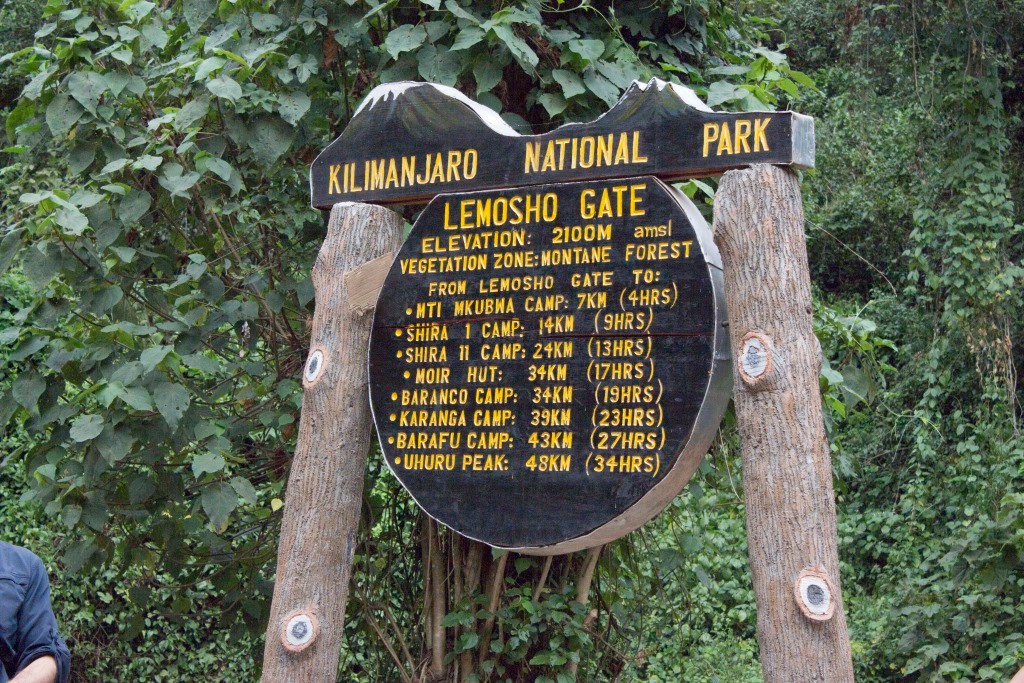
9-Day Lemosho Route Luxury Kilimanjaro Climbing Tour
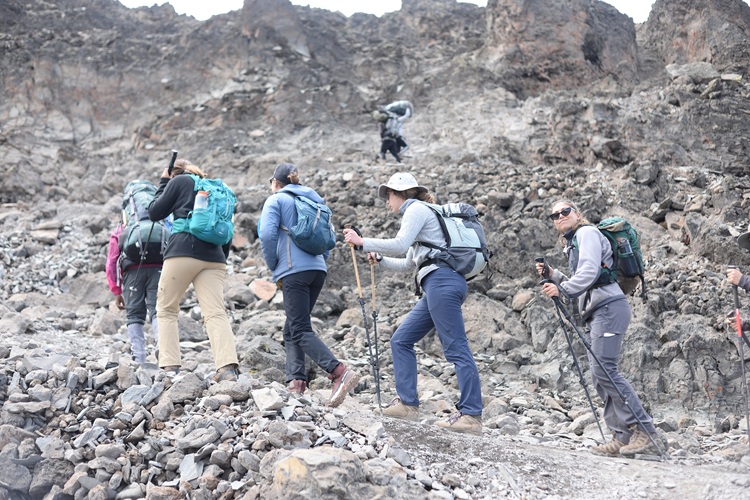
8-Day Lemosho Route Luxury Kilimanjaro Climbing Tour