The Northern Approach: Why Rongai Stands Apart
The Rongai Route is the only path that starts on the northern side of Mount Kilimanjaro. This geographic distinction is not just a trivia point; it fundamentally changes the nature of the climb. Because the northern side receives much less rainfall than the southern slopes, the Rongai Route is often the preferred choice for those climbing during the shorter rainy seasons. You are less likely to be trudging through deep mud in the early stages of the trek.
The wilderness here feels different, too. It is less developed and more rugged. You won't find the large, established campsites of the Machame Route. Instead, the camps are smaller and feel more integrated into the mountain environment. For a traveler looking for a sense of true exploration, this is a major draw. And because it is less popular, you often have long stretches of the trail to yourself. In a luxury context, this privacy is a commodity. It allows for a more intimate connection with the landscape without the constant chatter of large budget groups passing by.
But there is a trade-off. The Rongai Route is a "linear" path for the most part, meaning you climb up the north side and descend via the Marangu Route on the south side. This is actually a benefit for many, as it allows you to see both sides of the mountain in a single trip. You get the dry, wilderness feel of the north and the lush, green descent of the south. It provides a complete 360-degree perspective of the highest free-standing mountain in the world.
Understanding the Acclimatization Profile
One of the most important aspects of any Rongai route climbing tour is the way it handles the increase in altitude. The ascent from the north is relatively gradual. There are no steep walls to scramble up like the Barranco Wall on the southern routes. This makes the physical demand of the middle days feel more manageable for those who aren't comfortable with technical terrain.
However, the lack of steep sections can be a double-edged sword. Because the ascent is so steady, you don't naturally "climb high and sleep low" as easily as you do on Machame or Lemosho. This is why we strongly emphasize the seven-day Rongai route packages. The seven-day version includes a vital acclimatization day at Mawenzi Tarn. This camp is situated in a spectacular cirque beneath the jagged spires of Mawenzi Peak. Spending an extra night here allows your body to adjust to the 14,000-foot mark before you make the final traverse across the Saddle to the high camp at Kibo Hut.
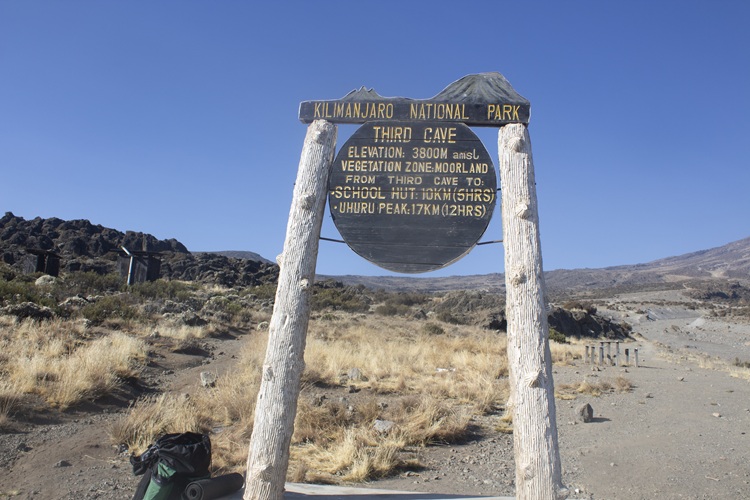
Choosing a six-day trek on Rongai is possible, but it significantly increases the risk of altitude-related issues. The jump in elevation from the second cave to the high camp is substantial. So, when you are comparing tours, look for that extra day at Mawenzi. It isn't just about the scenery, though the scenery is incredible, it’s about the science of survival and success at high altitude.
The Luxury of Private Camping in the Wild
Since Rongai is a camping route, the quality of your mobile camp is what defines the luxury experience. You aren't staying in huts, which means your crew has to carry everything you need. In a premium package, this means you aren't just getting a tent; you are getting a portable homestead.
High-End Sleeping Arrangements
Luxury Rongai route trekking tours prioritize your rest. You will likely be provided with spacious, four-season mountain tents that are designed for two people but used for one, or large enough to accommodate two people with ample room for gear. But the real difference is what’s inside. Expect thick, insulated sleeping mats that prevent the ground's cold from seeping into your bones. Some premium options even provide camp pillows and high-quality down sleeping bags, ensuring you actually get the deep sleep required for physical recovery.
Private Sanitation Facilities
It might sound like a small detail until you are on the mountain, but private toilet tents are a significant luxury. The public toilets at the campsites on the Rongai Route are often very basic. Having a clean, private chemical toilet that is only used by your group is a massive improvement in comfort and hygiene. It’s these small environmental controls that make the difference between an exhausting ordeal and a comfortable expedition.
The Mawenzi Tarn Highlight
Many climbers consider Mawenzi Tarn the most beautiful campsite on the entire mountain. While most routes focus on Kibo, the main peak, the Rongai Route brings you face-to-face with Mawenzi, the second-highest peak in the Kilimanjaro massif. Mawenzi is a jagged, craggy spire that looks more like a mountain in the Alps than the rounded dome of Kibo.
The tarn itself is a small mountain lake, and the campsite is tucked into a bowl of rock. On a clear morning, the reflection of the peaks in the water is stunning. Because this camp is a bit off the main thoroughfare, it feels incredibly quiet. Luxury tours take advantage of this by allowing for extra time here. Your guides might lead a short hike up the ridges of Mawenzi to help with acclimatization, offering views back toward Kenya and the plains below. This is the kind of experience that isn't found on the more crowded southern routes.
Expert Staff and the "Service" of Safety
The crew that accompanies you on Rongai is larger than you might expect. For a luxury trek, the ratio of porters and guides to climbers is often four or five to one. This isn't for show; it’s to ensure that every aspect of your safety and comfort is handled.
Your lead guides are the most critical part of the equation. They are trained in high-altitude medicine and carry oxygen cylinders and pulse oximeters on every trek. They monitor your health constantly, often without you even noticing. They are looking at the color of your skin, the way you are walking, and how much you are eating. In a luxury context, the guides are also excellent communicators. They can explain the geology, the flora, and the history of the mountain in a way that enriches your experience. They aren't just trail leaders; they are mountain educators.
Nutrition: Fueling the Ascent
Food on a luxury Rongai trek is a far cry from "camp food." Because the route is dryer and the logistics are handled by a premium crew, the chefs are able to prepare varied and nutritious meals. You can expect a hot breakfast with eggs, porridge, and fruit. Lunch is often a hot meal served at a scenic spot along the trail, rather than a cold box of snacks.
Dinner is the main event. It usually starts with a hot soup, which is vital for hydration, followed by a main course of pasta, rice, or meat, and finished with a dessert. The goal is to keep your calorie intake high even when the altitude starts to suppress your appetite. The kitchen staff also ensures that all water is double-purified, usually through boiling and then filtration, to prevent any stomach issues that could end a climb prematurely.
The Saddle and the Final Summit Push
After leaving Mawenzi Tarn, the landscape changes dramatically. You cross "The Saddle," a five-mile wide alpine desert between Mawenzi and Kibo. It is flat, barren, and often very windy. It feels like walking on the moon. This is where the scale of the mountain really hits you.
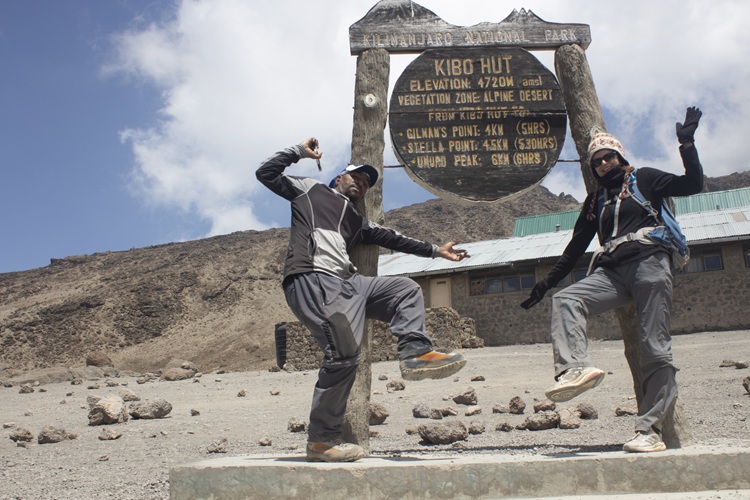
The high camp for the Rongai Route is Kibo Hut, which is the same high camp used by the Marangu Route. This is where the solitude of the north ends and the bustle of the summit push begins. But because you’ve approached from the north over seven days, you are often in much better physical shape than the people who have rushed up the Marangu path in five days.
The summit push starts around midnight. It is a steep, cold, and demanding climb to Gilman’s Point on the crater rim. From there, it is another two hours to Uhuru Peak. The luxury of your previous seven days of preparation becomes evident here. Your muscles are ready, your blood is oxygenated, and your guides are right there to pace you. Standing at the summit as the sun rises over the African continent is a moment of pure clarity, made possible by the careful planning and premium support of the days prior.
Choosing the Right Luxury Rongai Package
As you look through the Rongai route packages on this page, consider what matters most to your personal travel style. Are you looking for the most experienced guides? Or is the quality of the camping gear your top priority? Some tours offer private departures, which we highly recommend for those who want to move at their own pace. A private tour allows you to take that extra hour for photos at Mawenzi or to start your summit push a little earlier if you prefer a slower pace.
The Rongai Route is a connoisseur’s route. It is for the person who has done their research and wants something a little different, a little quieter, and a little more wild. By choosing a luxury version of this trek, you are ensuring that the challenges of the mountain are met with the best possible resources, giving you the greatest chance of standing on the roof of Africa.