The Reality of a Five-Day Expedition
A five-day climb is the fastest possible way to summit Kilimanjaro through standard park regulations. It is not an itinerary we recommend for everyone. Because you are skipping the traditional mid-mountain acclimatization days, your body has to work twice as hard to adapt to the decreasing oxygen levels. In a luxury context, this means your support team has to be twice as vigilant.
On this page, the focus is on providing a "safety first" luxury experience. This isn't just about high-thread-count sheets in a hotel before the climb; it’s about having the most experienced guides on the mountain who know how to manage a rapid ascent. They are trained to monitor your heart rate and oxygen saturation from the moment you leave the gate. They understand that on a 5-day luxury Kilimanjaro climb, every hour of rest and every calorie consumed is a building block for your summit success.
But let's be honest about the terrain. You will be covering a lot of ground in a short amount of time. You’ll move from the humid rainforest through the moorland and into the alpine desert with very little pause. For many, this intensity is part of the appeal. It turns the climb into a focused, athletic endeavor where the distractions are minimized and the goal is always in sight. So, if you are looking for a journey that tests your limits while providing a safety net of professional luxury, these itineraries are built for you.
Choosing 5-day luxury Kilimanjaro climbing packages
When you are comparing the different packages on this page, you should look beyond the price tag and focus on the support infrastructure. A 5-day climb is a high-stakes journey. You want to ensure that the package you choose doesn't cut corners on the things that matter most: safety and recovery.
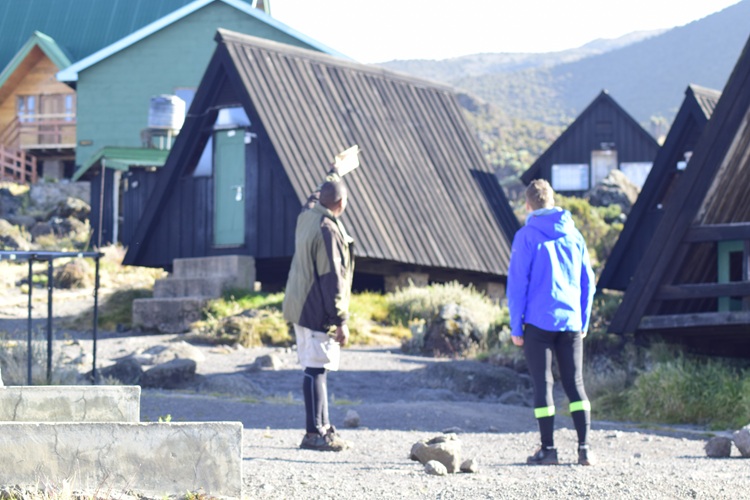
The most common route for this timeframe is Marangu. The reason is simple, the huts. On a five-day schedule, you don't want to spend energy waiting for a tent to be pitched or dealing with a damp sleeping bag if it rains. The A-frame huts at Mandara, Horombo, and Kibo provide a consistent roof over your head. Luxury versions of these packages often include better proximity to the huts’ limited facilities and a higher porter-to-climber ratio to ensure your gear is always ready and your meals are prepared the moment you arrive.
And then there is the guiding. A luxury package will typically offer a 1:1 or 1:2 guide-to-client ratio. On a compressed schedule, this is vital. If you are feeling the effects of the altitude, you need a guide who is focused entirely on you, not a group of ten people. They can adjust the pace, carry your daypack if necessary, and provide the constant encouragement needed to keep moving when the air gets thin. So, when browsing these 5-day luxury Kilimanjaro climbing tours, prioritize the ones that emphasize their guiding credentials and safety equipment.
The Crucial Role of Pre-Acclimatization
We take a clear position on this: if you have not been above 3,000 or 4,000 meters in the weeks leading up to your climb, a five-day itinerary is a significant risk. Many of our clients who choose these 5-day luxury Kilimanjaro climbing packages do so after climbing Mount Meru or spending time in the high Andes or Alps.
This pre-acclimatization is the "hidden luxury" that makes a short climb successful. It means your body has already started producing the extra red blood cells you need. You arrive at the park gate ready to move. If you haven't had this opportunity, we often suggest looking at our six or seven-day options. But for those who are ready, the five-day path is an exhilarating challenge.
Our luxury partners often provide consultations before you even leave home. They can offer advice on training and even suggest pre-trekking options in East Africa to help you get your "mountain legs." This level of expertise is what separates a standard tour from a truly professional mountain expedition. It’s about setting you up for success before you even step off the plane at Kilimanjaro International Airport.
Kilimanjaro luxury 5-day tours: What does the support look like?
You might wonder how luxury is maintained on a trek that moves this fast. It starts with the "behind the scenes" logistics. Even on a short trek, the support crew is substantial. You’ll have porters who move ahead of you at a pace that seems impossible, ensuring that your arrival at the next hut is met with a hot drink and a warm basin of washing water.
The culinary side of these Kilimanjaro luxury 5-day tours is also specialized. On a fast-track climb, your digestion can be sensitive. The chefs focus on nutrient-dense, easily digestible meals. Think of it as high-performance fuel. You might start the day with eggs, porridge, and fresh fruit, and end it with a multi-course dinner featuring vegetable soups, pastas, and energy-rich starchy vegetables.
Hydration is another priority. Your crew will ensure you have a constant supply of purified, boiled water. In a luxury setup, you’ll also have access to a variety of herbal teas, cocoa, and quality coffee. These aren't just comforts; they are tools to keep you hydrated and your spirits high. And since the Marangu huts have communal dining areas, your team will often set up a private dining experience for you within those spaces, giving you a bit of quiet and exclusivity in a busy mountain environment.
Medical Safety and Rapid Ascent Protocols
On a five-day climb, there is no "wait and see" period for altitude sickness. If symptoms appear, they need to be addressed immediately. This is why the medical protocols on these luxury tours are so rigorous. Your guides are not just walking companions; they are certified Wilderness First Responders.
Twice a day, you will undergo a comprehensive health check. This includes:
- Oxygen Saturation (SpO2) Monitoring: Using a pulse oximeter to see how much oxygen is actually reaching your blood.
- Heart Rate Tracking: Monitoring your resting heart rate to check for signs of over-exertion.
- Symptom Assessment: Using the Lake Louise Scale to quantify any headaches, nausea, or fatigue.
In addition to monitoring, luxury packages carry emergency oxygen on every summit push. While some budget operators might only have one tank for a whole group, our featured tours ensure that oxygen is always accessible. They also have clear, pre-established evacuation plans. If you need to go down, the crew knows the fastest way to get you to a lower altitude, whether that's by stretcher or by coordinating with mountain rescue vehicles. This level of preparedness is the ultimate luxury, it’s the peace of mind that allows you to focus on the climb.
The 5-Day Itinerary: A Day-by-Day Overview
Most 5-day luxury Kilimanjaro climbing tours follow a predictable but intense rhythm. On Day 1, you move from the gate through the rainforest to Mandara Hut. It’s a beautiful introduction, but don't let the lush surroundings fool you; the work has already begun. Day 2 takes you out of the forest and into the moorland as you head to Horombo Hut. This is where most people start to feel the altitude.
On Day 3, instead of the traditional acclimatization day that 6-day climbers take, you continue upward. You’ll cross the Saddle, a high-altitude desert that lies between the peaks of Mawenzi and Kibo. The terrain here is barren and windswept, and the air is noticeably thinner. You arrive at Kibo Hut by mid-afternoon.
Day 4 is the summit day. You’ll wake up around midnight for the push to the top. This is a grueling 1,000-meter ascent over loose volcanic scree in the dark. After reaching Uhuru Peak and seeing the sunrise, you’ll descend all the way back down to Horombo Hut. It’s a massive day, often involving 12 to 15 hours of hiking. Finally, Day 5 is a long descent back to the park gate, where your private vehicle will be waiting to take you back to civilization. It is a whirlwind of an experience, but for those who succeed, the sense of achievement is monumental.
Equipment and Gear: The Luxury Difference
When you are moving fast, your gear needs to be perfect. You don't have time to deal with a broken zipper or a sleeping bag that isn't warm enough. Luxury packages often include the rental of high-end mountain gear in the base price. This means you have access to professional-grade down jackets, four-season sleeping bags, and sturdy trekking poles.
But it's also about the small things. It's the quality of the thermal blankets provided in the huts. It's the fact that your porters use waterproof bags to ensure your dry clothes stay dry, no matter what the weather does. It's the availability of a private portable toilet tent, even on the Marangu Route, so you don't have to rely on the communal long-drops at the huts.
And we shouldn't forget the pre- and post-trek experience. After five days of intense physical effort, a 5-star lodge in Moshi or Arusha isn't just a luxury; it’s a necessity for recovery. You can expect a room with a comfortable bed, a hot shower, and high-quality meals to help your body bounce back. This "sandwich" of luxury, premium comfort before and after the climb, is what makes the 5-day itinerary sustainable for those who have busy lives to get back to.
Is a 5-Day Luxury Climb Right for You?
So, we come back to the big question. Should you do it? If you are a seasoned hiker who has spent time at altitude and you have a limited window of time, then yes. These 5-day luxury Kilimanjaro climbing tours offer a focused, elite way to reach the summit. But if this is your first time on a big mountain, or if you prefer a more relaxed pace where you can take photos and enjoy the different climate zones, we would suggest looking at our longer itineraries.
The mountain will always be there, but your experience of it is defined by the choices you make before you start. Choosing a luxury package ensures that even on a short schedule, you are giving yourself every possible advantage. You’ll have the best guides, the best food, and the best safety equipment on the mountain. Kilimanjaro is a world-class destination, and a 5-day luxury climb is a world-class way to tackle it, provided you come prepared for the challenge.