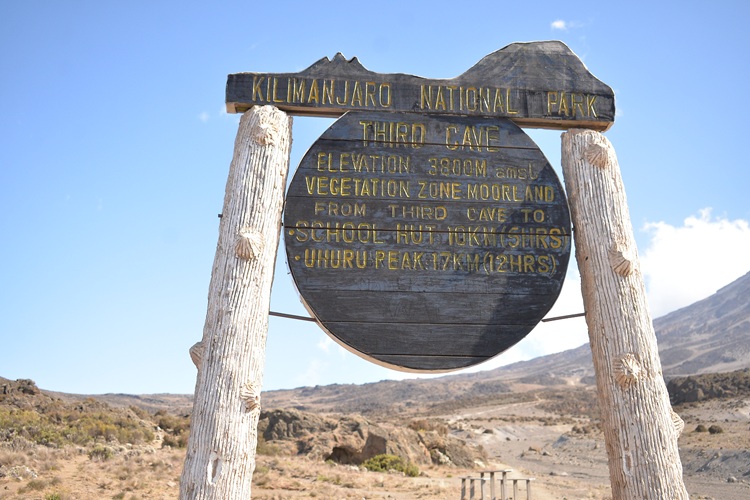
The Strategy of the Ten-Day Ascent
When you spend ten days on the mountain, you aren't just trekking; you are conducting a professional-grade expedition. The primary goal of this timeframe is to eliminate the risk of altitude sickness through extreme patience. Most 10-day luxury Kilimanjaro climbing tours follow the Northern Circuit, which circles nearly the entire mountain. This path allows you to sleep at relatively low altitudes for the first several days while your body works hard to adjust to the decreasing oxygen.
But why ten days instead of nine? That extra twenty-four hours usually serves one of two purposes. For some, it is a rest day at a mid-altitude camp like Shira or Moir Hut, where you can literally do nothing but hydrate and let your blood chemistry catch up. For others, it is the addition of the Crater Camp, a high-altitude overnight stay at 18,800 feet after reaching the summit. Both options are luxurious in their own right. One offers the luxury of effortless recovery, while the other offers the luxury of unparalleled adventure. You have to decide which version of "luxury" aligns with your personal vision of the climb.
So, the ten-day schedule is really about taking the pressure off. You aren't constantly looking at your watch or worrying about the next steep climb. You have the time to sit and watch the clouds roll over the plains of Kenya. You have the time to talk to your guides about the unique flora of the moorland. It turns the climb from a frantic race into a moving meditation.
The Northern Circuit: The Heart of the Long Route
Most of the 10-day luxury Kilimanjaro climbing packages you will see on this page utilize the Northern Circuit. This is the mountain’s newest and longest route. It begins in the west at Londorossi Gate and winds its way through the rainforest and across the Shira Plateau. But instead of turning south like the masses on the Machame Route, you head north.
This northern side is a different world. It is dry, quiet, and largely untouched by the heavy foot traffic found elsewhere. You’ll walk through the "Buffalo Camp" area and look out over the vast Amboseli plains in the distance. Because you are on the mountain for ten days, the transition between climate zones is almost imperceptible. You aren't shocked by the sudden change from the heat of the forest to the cold of the desert. Your body transitions as slowly as the path itself.
And because the Northern Circuit is a "360-degree" route, you see the peak of Kibo from every possible angle. You see the western breach, the northern slopes, and eventually the eastern approach. For a photographer or a nature lover, this variety is the ultimate draw. It provides a complete understanding of the mountain’s massive scale that shorter routes simply cannot offer.
Crater Camp: The Ultimate High-Altitude Luxury
A few specialized 10-day luxury Kilimanjaro climbing tours include a night in the Crater Camp. This is a rare and prestigious experience. After reaching Uhuru Peak, instead of rushing all the way back down to a lower camp, you descend a short distance into the crater. You sleep near the Furtwängler Glacier, a massive, shimmering wall of blue ice.
Is it comfortable? Physically, it is the hardest night of the trek because you are sleeping at nearly 19,000 feet. But from a purely experiential standpoint, it is the pinnacle of mountain luxury. You are among the very few people on earth who get to see the stars from the top of Kilimanjaro at midnight. You witness the sunrise twice, once from the summit and once from your tent door the next morning.
But the support required for a Crater Camp stay is enormous. Your crew has to carry extra oxygen, more food, and specialized gear to keep the tents warm in sub-zero temperatures. It is an expensive and logistically complex addition to a 10-day luxury Kilimanjaro climb, but for those who want the most immersive experience possible, it is worth every penny. You aren't just visiting the mountain; you are living on it.
Why 10-day luxury Kilimanjaro climbing packages offer the highest safety
Safety is the most important luxury on any mountain. On a ten-day trek, your safety net is wider and stronger than on any other route. The statistics don't lie: the Northern Circuit has the highest success rate of any path on Kilimanjaro, often cited at over 98%. This isn't because the route is easy; it's because the acclimatization is perfect.
Our featured 10-day luxury Kilimanjaro climbing packages include a high staff-to-client ratio, often 4:1 or 5:1. This means you have multiple assistant guides who can monitor every person in the group. If one person feels slightly off, a guide is there to stay with them, adjust their pace, or provide immediate medical attention.
And the medical monitoring is rigorous. On a ten-day trip, your guide gets a very clear picture of your body's adaptation. They use pulse oximeters twice daily, but they also pay attention to the nuances of your behavior. Are you eating well? Are you sleeping? Are you still joking with the crew? This holistic approach to safety is what ensures you don't just reach the top, but you do so in good health. It turns the summit night from a desperate struggle into a controlled, triumphant walk.
Living Standards in a Long-Term Mountain Camp
When you are living on a mountain for ten days, the quality of your camp becomes your entire world. On these Kilimanjaro luxury 10-day tours, the camping infrastructure is designed for long-term comfort. You won't be huddled in a small tent with your gear piled on top of you.
Instead, expect large, walk-in tents with enough head-room to stand up and move around. You’ll have a proper cot or a thick, high-density insulated mattress. Some premium packages even include small heaters for the mess tent and solar-powered lighting systems. It’s about creating a "home base" where you can truly relax at the end of the day.
And then there is the hygiene. Ten days is a long time to go without a shower. Luxury tours provide a private portable toilet tent that is cleaned multiple times a day. You’ll also be provided with plenty of warm water for washing your hands and face every morning and evening. These small things maintain your dignity and your morale. They make you feel like a guest on the mountain rather than a survivor.
The Nutritional Demands of a 10-Day Expedition
Food is the fuel that gets you to the top. On a 10-day trek, your body’s nutritional needs are complex. You need a mix of fast-burning carbs for the trail and slow-burning proteins and fats for recovery at night. But more importantly, you need food that you actually want to eat. At high altitudes, your appetite can plummet.
Luxury mountain chefs are the unsung heroes of the Northern Circuit. They prepare three-course meals in a mobile kitchen using fresh ingredients. Because the 10-day route is so long, many luxury operators arrange for a "resupply" team to meet the group on day five or six. This means you have fresh fruits, vegetables, and eggs even in the later stages of the climb.
Expect variety. You might have crepes and fresh fruit for breakfast, a hot leek soup and pasta for lunch, and a traditional Tanzanian beef stew or grilled chicken for dinner. And the hydration options are endless, ginger teas to settle the stomach, hot chocolate for a boost of sugar, and real coffee to start the morning. This level of culinary care prevents the "fatigue of the palate" that often happens on shorter, budget treks.
Guiding Expertise and E-E-A-T
The expertise of your lead guide is the most critical factor in your 10-day luxury Kilimanjaro climb. These guides are not just leaders; they are masters of the mountain. Most have spent decades on Kilimanjaro and hold international certifications in wilderness medicine.
Trust is built over those ten days. You’ll find that your guide becomes a mentor. They can identify every bird call in the rainforest and explain the geological history of the volcanic cones you pass on the Shira Plateau. This knowledge enriches the trek, turning it from a physical challenge into an educational journey.
But their real value is in their judgment. On a ten-day route, the weather can change several times. Your guide has the experience to know when to push through a light rain and when to hold back and wait for a window of clear sky. They manage the logistics of the entire 30-person support crew so that you don't have to think about a single thing other than your next step. That is the ultimate definition of a luxury service.
Preparing for the Long Haul
Ten days is a long time to be "on." While the physical pace is slower, the mental demand of being in a remote environment for over a week is significant. We recommend that you train for endurance rather than speed. Long walks in your hiking boots are better than short sprints on a treadmill.
But also prepare for the mental shift. You are leaving your phone, your desk, and your daily stresses behind. Use the first few days on the Northern Circuit to disconnect. The luxury of a 10-day trek is that it gives you the space to do that. By the time you reach the summit push on day nine, you won't just be physically prepared; you'll be mentally resilient.
As you browse the Kilimanjaro luxury 10-day tours on this page, look at the fine details. Check the equipment brands, the guide-to-client ratios, and the pre-trek lodge quality. A ten-day climb is a significant investment of time and money, and you want to ensure that every aspect of the journey is handled with the professionalism it deserves. Standing on the roof of Africa after a ten-day traverse is an achievement that few can claim, and doing it with a luxury team ensures that the memory of the journey is as beautiful as the view from the top.